
Suphanat Mueanta’s career has long felt like a theatrical trailer for a blockbuster film that never actually makes it to the cinema. Now, at 23, with a permanent transfer to J2 side RB Omiya Ardija officially rubber-stamped, the Thai star has been handed a lifeline that he scarcely has the luxury to waste. It is a move that offers a gilded corporate ladder back to the top of the game, provided he is finally willing to climb it.
The move, however, also inadvertently highlights one of the most baffling anomalies in global football franchising: the utter absence of a Red Bull club in the very nation where the energy drink was born.
The Belgian Blues and the Buriram Bubble
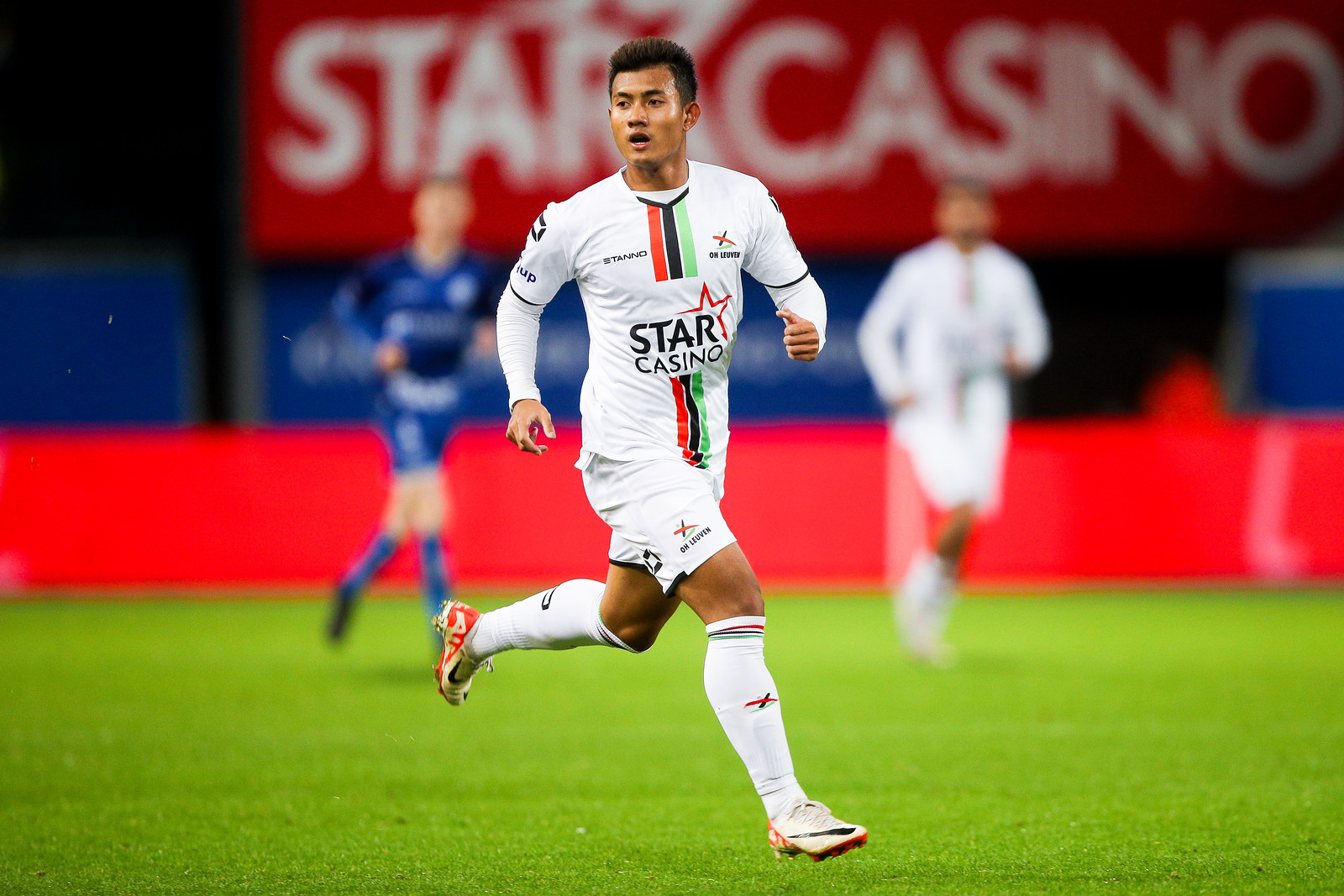
To understand the weight of this Japanese move for Suphanat, one must first conduct a rather uncomfortable post-mortem on his spell in Belgium with Oud-Heverlee Leuven. On paper, it was the ideal stepping stone. In reality, it was a damp squib.
Suphanat’s time in the Jupiler Pro League was heavily disrupted by injuries. The sheer physical demands of European football prompted a club mandate for him to hit the gym, and to his credit, he did bulk up. He returned with a noticeably more robust physique, but football is played on grass, not in the weight room.
Whispers leaking out of Belgium painted a picture of a player whose attitude did not quite match his newly acquired muscle. Critics have ruthlessly noted that during his loan spell, Suphanat seemed to rack up more air miles jetting back to Thailand than he did minutes on the pitch in Europe.
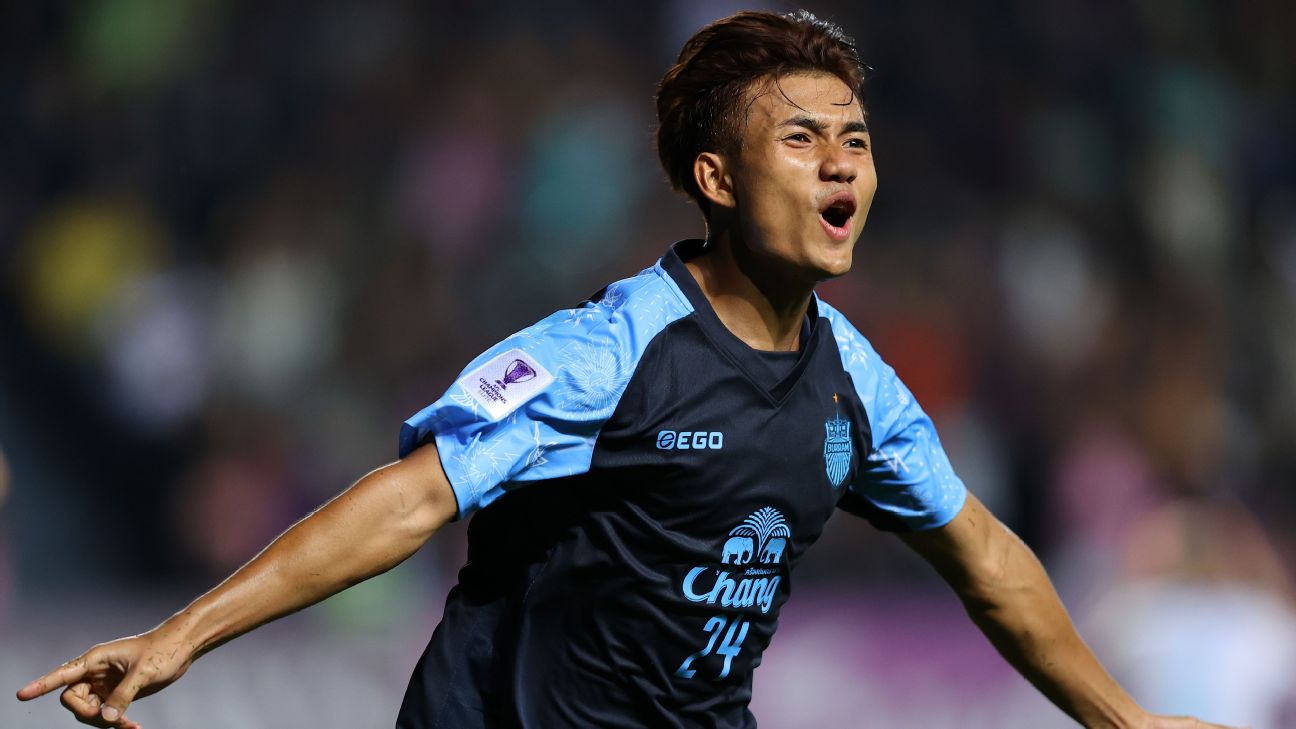
Part of the issue stems from the environment that forged him. For far too long, 'Bank' has basked in the star aura at Buriram United. When you are the golden boy of the country's most dominant club, insulated from genuine sporting adversity, complacency is an occupational hazard. European football, however, is a ruthless meritocracy that cares absolutely nothing for your reputation back in Isan. At 23, he is no longer a wonderkid with potential; he is a senior professional who needs to deliver tangible output.
The Red Bull Lifeline and the Underrated Sibling
This brings us to Omiya Ardija. On the surface, a move to the Japanese second tier might look like a regression, but context is everything. Omiya is now under the hyper-efficient umbrella of the Red Bull sporting empire. This is an organisation operating on an undeniable upward trajectory, and it is surely only a matter of time before they bully their financial way into J1.
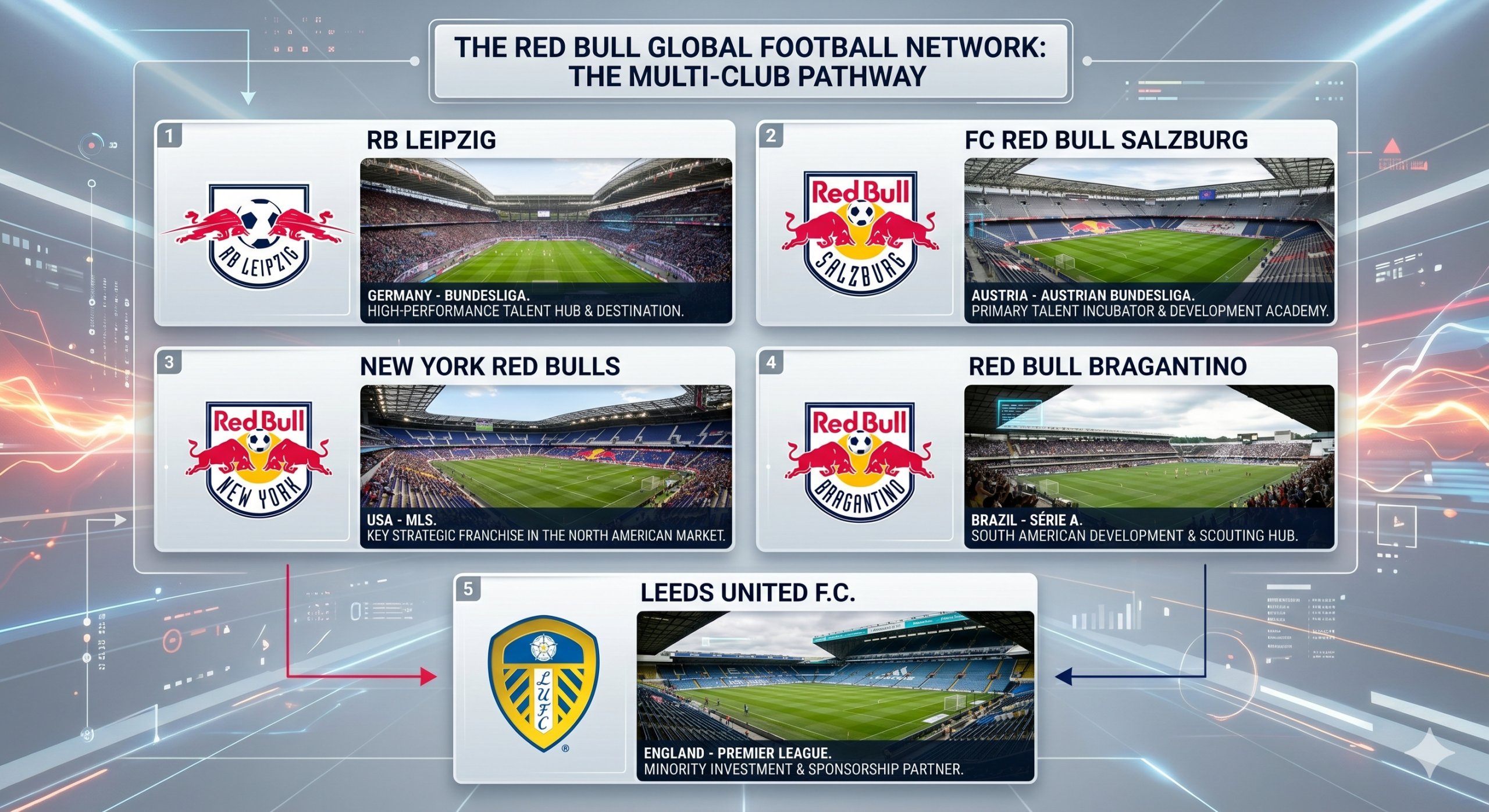
More importantly, Suphanat is now plugged into a global syndicate. The Red Bull system is built on fluid internal movement across a meticulously structured ladder. By performing in Saitama, Suphanat places himself directly in a pipeline of majority-owned powerhouses:
- RB Leipzig (Germany): The ultimate Bundesliga destination for top-tier talent.
- FC Red Bull Salzburg (Austria): The premier European talent incubator.
- FC Liefering (Austria): The official second-tier reserve and development runway for Salzburg.
- New York Red Bulls (USA): The strategic North American MLS franchise.
- Red Bull Bragantino (Brazil): The crucial development hub in the South American market.
The empire’s reach also extends into major European football focal points via significant minority stakes and partnerships, including Paris FC in France and Leeds United in England.
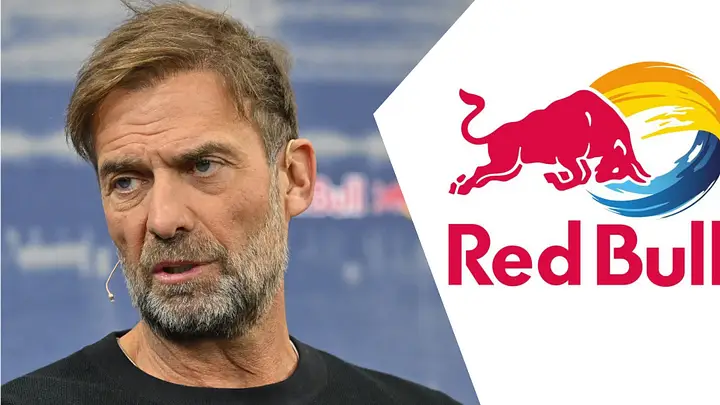
To underscore the gravity of this move, reports indicate that the transfer has been personally rubber-stamped by none other than Jurgen Klopp. In his overarching role as Red Bull's Global Head of Soccer, Klopp’s signature on this deal proves that Bank's talent is recognised at the very summit of the corporate hierarchy.
He also has a blueprint to follow rather close to home. His older brother, Supachok Sarachat, remains one of the most chronically underrated Thai exports in recent memory. Supachok went to Japan, put his head down, and quietly made himself indispensable. Suphanat must now emerge from his brother’s shadow by matching that exact work ethic. Under the watchful eye of the Red Bull hierarchy, it is time to lose the homesick stereotype, adopt a ruthless professional mindset, and grasp this opportunity with both hands.
The Glaring Omission: Where is RB Thailand?
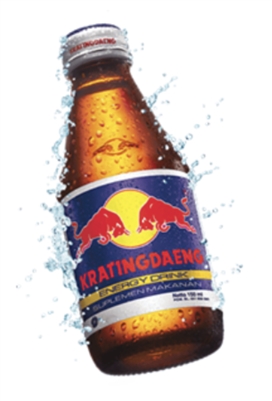
Yet, seeing a Thai player enter the Red Bull system via Japan begs a fascinating, borderline absurd question: why does a Red Bull Thai club not already exist?
Before Dietrich Mateschitz turned it into a global behemoth, the formula was invented in Thailand by Chaleo Yoovidhya as Krating Daeng. The heritage of the brand is fundamentally Thai. We currently live in a world where the multi-club network stretches from Leipzig to Saitama, yet the nation that birthed the original recipe is left entirely out of the footballing portfolio.
Imagine the sheer marketing symmetry of an 'RB Bangkok' or 'RB Krating Daeng' tearing up Thai League 1. Beyond the romanticism, the practical application makes frightening sense. The Thai academy system has long been hindered by patronage models, short-term thinking, and a lack of elite sports science. Injecting the ruthless, algorithmic corporate efficiency of the Red Bull methodology directly into Thailand would revolutionise the domestic game.
It would completely bypass the traditional bottlenecks of Thai football, creating an elite academy capable of mass-producing technically gifted, tactically astute, and physically conditioned players. It would give talents like Suphanat a direct, domestic pathway into a global pipeline, perhaps entirely bypassing the need for awkward, homesick loan spells in provincial Belgium.
Until the boardroom executives look at a map and remember where their golden goose actually hatched, Thai players will have to keep finding the back doors into the empire. Bank has found his, and with Klopp overseeing the system, the stakes couldn't be higher. If he fails to navigate it, there may not be another lifeboat waiting.
Next tour: Port v Rayong
Saturday 24 October 2026 · ฿3,900 ฿2,999 per person, all inclusive. Ticket, private transport, pre-match briefing and a guide who knows the league inside out.
Book Your Place →