
Every four years, a familiar, expensive madness descends upon the Thai capital. As the FIFA World Cup approaches, the air in Bangkok thickens not with the anticipation of national participation—we are, after all, still waiting for that particular miracle—but with the frantic, high-stakes haggling over broadcasting rights.
The script is wearyingly predictable: the private sector balks at the astronomical price tag, the "Must Have" and "Must Carry" regulations create a commercial stalemate, and eventually, the government or the Football Association of Thailand (FAT) performs a last-minute raid on the public coffers to ensure the nation can watch the world’s elite for "free."
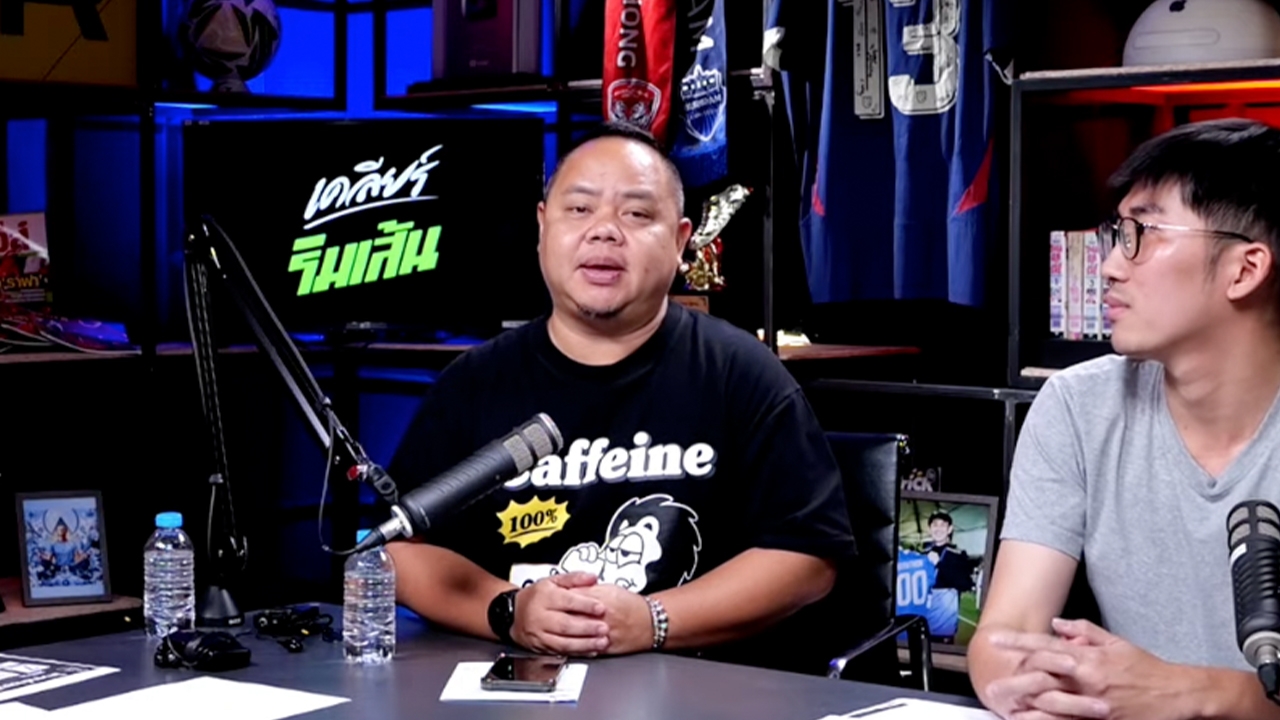
"If we have to pay billions for Thai people to watch the World Cup for free, wouldn't it be better to use that money to develop Thai football instead?"
This question, posed on Facebook by the highly influential Bubble Yingrak, cuts through the sentimental fog of international football to reveal a staggering fiscal hypocrisy. We are currently trapped in a cycle where we set fire to billions of baht every four years to watch a tournament we are fundamentally disconnected from, while our own domestic talent pool subsists on a diet of "Sabai Sabai" and chronic underinvestment.
The Infantino-Trump Axis
The global backdrop to this madness is the "Infantino-Trump problem." As we hurtle towards the 2026 World Cup in North America, the synergy between FIFA’s relentless commercial expansion and the hyper-capitalist hosting model of the United States has created a monster. Gianni Infantino’s FIFA is projected to pull in $11 billion for this cycle, driven by an expansion to 48 teams that feels less like global inclusion and more like a high-altitude shakedown of national broadcasters.
For a nation like Thailand, we are essentially paying a "glamour tax" to watch other nations succeed. This is a competition fundamentally disconnected from the daily reality of the Thai fan. With matches often kicking off at 2:00 AM or 3:00 AM local time, we are spending the national budget to support a timezone-defying habit that most working-class Thais simply cannot afford to indulge.
The Talent-First Imperative
There is a populist argument that making the Thai League entirely free-to-air would fix the game's popularity. But visibility is useless if the product on screen is mediocre. As our recent forensic audit of Thai League 1 starting line-ups revealed, Under-21 prospects are being trusted with a pathetic 2.85% of starting berths.
Interest isn't a gift given to a league; it is a reward earned by the quality of the athletes on the pitch. If the technical standard is low, making it free just broadcasts our failures to a wider audience. To build genuine interest, you must produce the talent first.
The Thai Clairefontaine
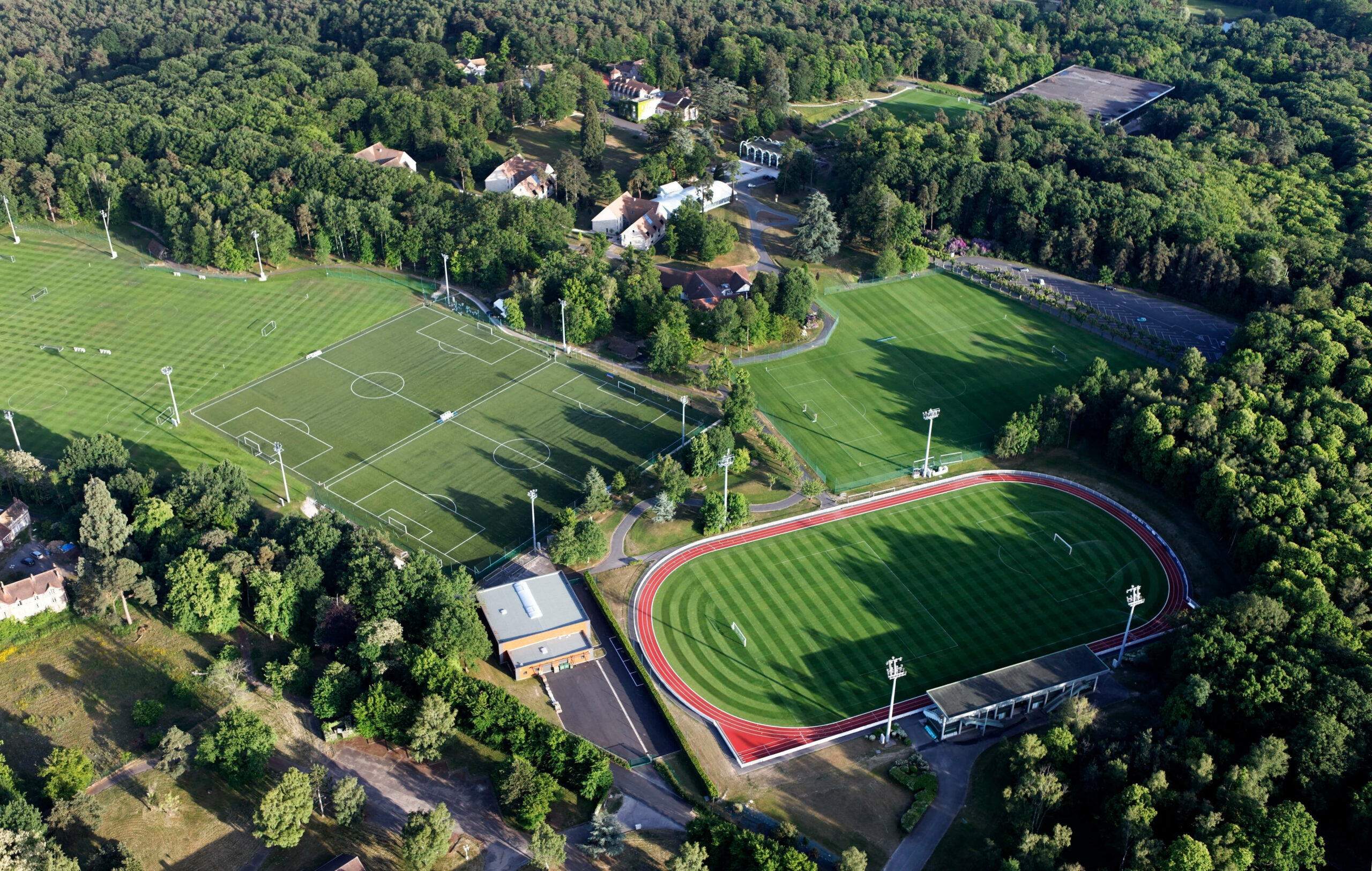
If we are serious about producing world-class players, we need to stop buying the finished product of the World Cup and start investing in the factory. In France, Clairefontaine is the high-performance laboratory that birthed the golden generations of 1998 and 2018.
A "Thai Clairefontaine," funded by the money currently being incinerated in the pursuit of broadcasting rights, would address the root causes of our talent deficit. We need elite nutritional science, tactical uniformity across all age groups, and the psychological fortitude required for modern international football.
Building such a facility would cost significantly less than two cycles of World Cup rights. It would provide a permanent, physical legacy for the game, rather than a fleeting digital one that disappears as soon as the final whistle blows in a stadium 8,000 miles away.
The Professionalism Gap
The billion-baht World Cup money shouldn't just build one academy; it should fund the grassroots coaching education for every province. It should ensure that a talented kid in Narathiwat is discovered by a national scouting network because the FAT actually has the funds to send a scout there.
Investing in TV rights is easy. It requires one signature. Investing in 77 provincial youth leagues and 500 coaching badges is hard. It requires transparency and long-term planning—two things the FAT has historically found more difficult to manage than a last-minute broadcast deal.
The Final Whistle
The next time the government tells us they are "fighting" for the World Cup rights for our happiness, we should ask: whose happiness are they protecting? Is it the fan watching at 3:00 AM, or the administrator avoiding the conversation about why we still can't produce a striker capable of playing in the Bundesliga?
We are a nation of football lovers treated like second-class citizens in our own game. It is time to turn off the television, keep the billions at home, and start building a game that actually belongs to us.
Next tour: Port v Rayong
Saturday 24 October 2026 · ฿3,900 ฿2,999 per person, all inclusive. Ticket, private transport, pre-match briefing and a guide who knows the league inside out.
Book Your Place →